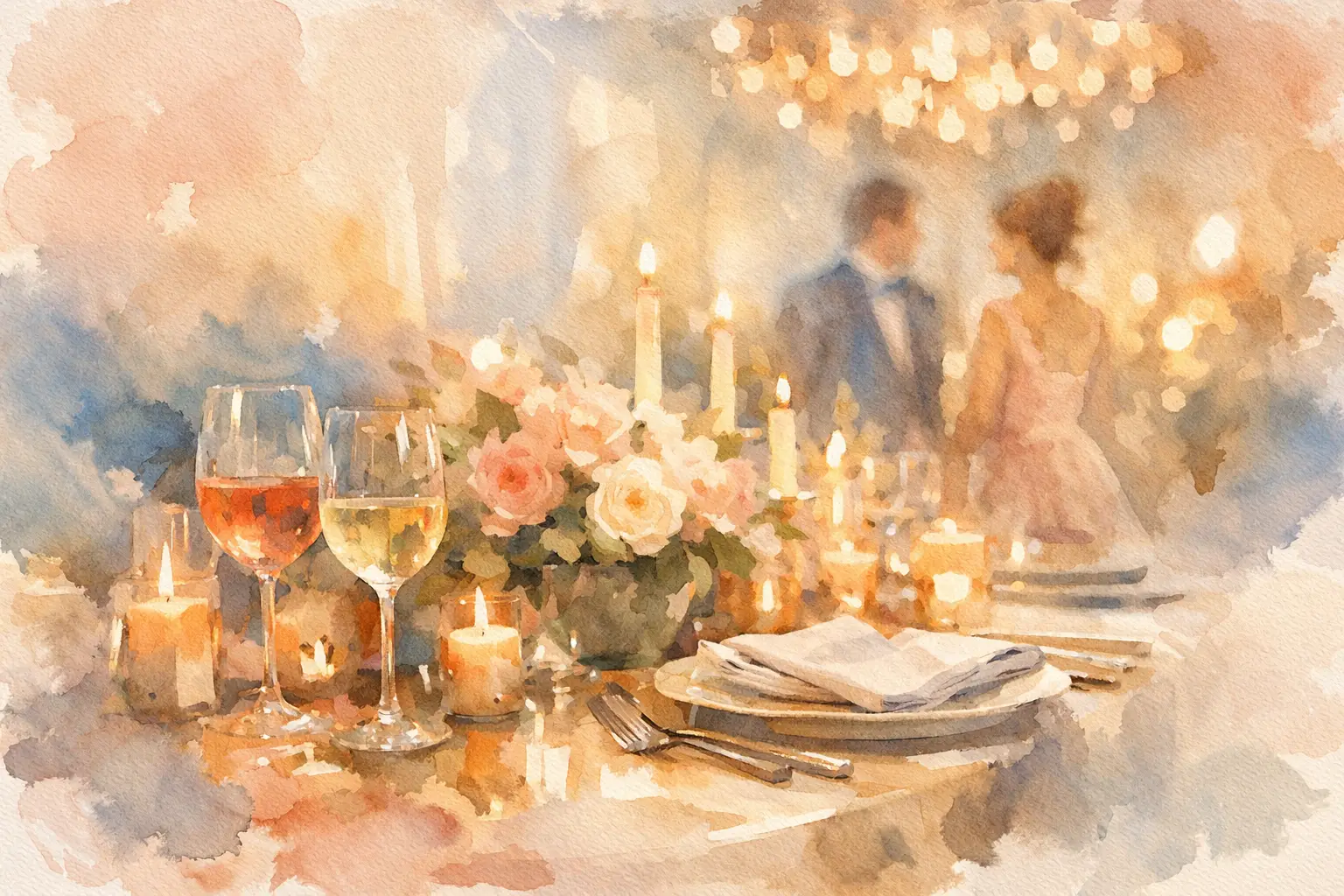
A private dinner party planner may help shape the overall occasion, but it is the décor that gives guests their first feeling when they enter the room. Before the first course is served, the table, candlelight, florals, linens, and surrounding details quietly set the tone. A well-styled dinner can feel intimate, celebratory, relaxed, formal, or culturally meaningful without relying on excess.
For hosts planning an engagement dinner, milestone birthday, Eid gathering, graduation dinner, henna night, or a beautiful meal simply because family is in town, the visual design deserves as much thought as the menu. The goal is not to fill every open space. It is to create a setting that feels considered from the doorway to the final seat at the table.
A private dinner party planner and a décor stylist have different roles
The phrase private dinner party planner can mean different things to different hosts. Some people are looking for help organizing the practical parts of an event, while others already know where and when they are gathering and need the space to look polished and welcoming.
Décor and styling focus on that visual transformation. This can include custom centerpieces, tablescapes, floral styling, candles, linens, chargers, backdrops, focal displays, and details that tie the room together. It is especially valuable when a dinner is being held in a private home, restaurant room, banquet space, or rented venue that feels plain before the table is set.
A designer can help turn separate ideas into a coordinated look. Perhaps you love warm neutrals but also want a little gold. Perhaps your celebration calls for rich jewel tones, soft garden florals, or a modern black-and-white setting. The right combination is less about following a trend and more about making choices that belong together.
Start with the feeling, not one decoration
A beautiful dinner table is easier to create when the desired atmosphere is clear. Rather than beginning with a single centerpiece or a favorite color, think about how you want guests to feel during the evening.
An anniversary dinner may call for low candlelight, layered texture, and flowers that feel soft and romantic. A graduation celebration may feel more joyful and polished with a defined color palette, an elegant focal backdrop, and tables that carry the celebration beyond a simple meal. For a family gathering during Eid, the styling might use color, florals, metallic accents, or meaningful details in a way that feels festive while remaining personal to the hosts and their traditions.
The same palette can create very different results depending on proportion. White flowers and gold accents can feel airy and classic with clear glass and light linens. Pair them with deep green, black, or warm wood, and the room takes on a more dramatic evening mood. This is why visual direction matters more than collecting individual décor pieces that are beautiful on their own.
Let the room guide the design
A dinner party does not need a ballroom to feel special. In fact, a smaller room often has the advantage of natural intimacy. Still, its existing features should influence the styling.
A home dining room may benefit from a carefully layered table and one defined focal area rather than large installations that compete with the space. A private restaurant room may need centerpieces and table décor that bring warmth to neutral furnishings. A larger hall may need additional visual moments, such as a backdrop, welcome display, or styled dessert area, so the room does not feel unfinished around the dining tables.
Ceiling height, table shape, chair color, wall finishes, and available natural light all affect the final look. A tall arrangement that works in a spacious venue can block conversation at an intimate dinner. A low floral design may be better for guests who want to see one another across the table, while a mix of low arrangements and elevated pieces can add dimension in a larger room.
The dinner table is the center of the experience
At a private dinner, guests spend much of the evening looking at and interacting with the table. That is why the tablescape should feel inviting from every seat, not just beautiful in photographs.
Centerpieces create the visual anchor, but they work best when they are part of a complete composition. Florals, vessels, candles, chargers, napkins, runners, place settings, and subtle accents can each support the same direction. A table with only one strong element can feel sparse. A table with too many competing elements can feel crowded, particularly once food and serving pieces arrive.
Practicality belongs in elegant design. Centerpieces should allow room for place settings and serving needs. Candle placement should suit the table size. Florals should not overwhelm the conversation. These details may sound small, but they are what make a tablescape feel comfortable as well as refined.
Choose layers with purpose
Layering gives a dinner table depth, but not every celebration needs every possible décor element. The strongest designs use a few materials and repeat them thoughtfully.
For example, a soft neutral table might pair textured linens with ivory florals, clear votives, and gold-toned details. A more colorful celebration could use a floral palette inspired by the host’s chosen colors, with coordinated napkins and candles adding rhythm down the length of the table. For a formal dinner, structured arrangements and balanced symmetry can create a composed look. For a relaxed gathering, looser floral styling and grouped candlelight can feel warm without looking casual or unfinished.
Repetition is what helps the room read as one story. When a floral color appears in the centerpiece, the napkin, and a small focal display, the setting feels intentional. It does not require matching every item exactly. It requires a clear visual relationship between the details.
Give the room one memorable focal point
The dining table may be the heart of the event, but one well-designed focal point can make the whole setting feel complete. This could be a floral backdrop behind the host’s table, a styled welcome moment, a candlelit display, or a decorative area that frames the celebration without taking attention away from guests.
For cultural celebrations, focal décor can be particularly meaningful when it reflects the mood and importance of the occasion. A henna night may call for a richly styled setting with color, textiles, florals, and a backdrop that creates a beautiful gathering place. An engagement dinner may feel right with softer florals and a refined statement area for photos. The design should always leave room for the family’s preferences rather than assuming that every celebration follows the same visual tradition.
The trade-off is scale. A focal display should enhance the room, not make a small gathering feel crowded or turn every moment into a photo backdrop. Sometimes the most effective statement is a beautifully finished table with candlelight extending into the surrounding space.
Bring your ideas together before choosing décor
Many hosts arrive with saved images, favorite colors, or a vision that is still taking shape. That is a useful starting point. A professional décor conversation can help identify what those images have in common: perhaps the soft floral palette, the tall candles, the modern tableware, or the balance of traditional and contemporary details.
It also helps to be honest about the setting. An image created for a large wedding reception may need to be adapted for a dinner of 20 guests. A dark, dramatic palette may look beautiful in the evening but need more reflective details in a room with limited light. The best designs respond to the actual room and the way guests will use it.
For celebrations throughout Greater Boston and the South Shore, Sue’s Elegant Events brings a warm, coordinated approach to centerpieces, tablescapes, floral styling, backdrops, and the decorative details that make a private dinner feel thoughtfully prepared.
A meaningful dinner does not need to look overdone to be memorable. When the table feels welcoming, the florals feel right for the occasion, and every visual detail speaks the same language, guests can settle in, connect, and enjoy the reason they came together.