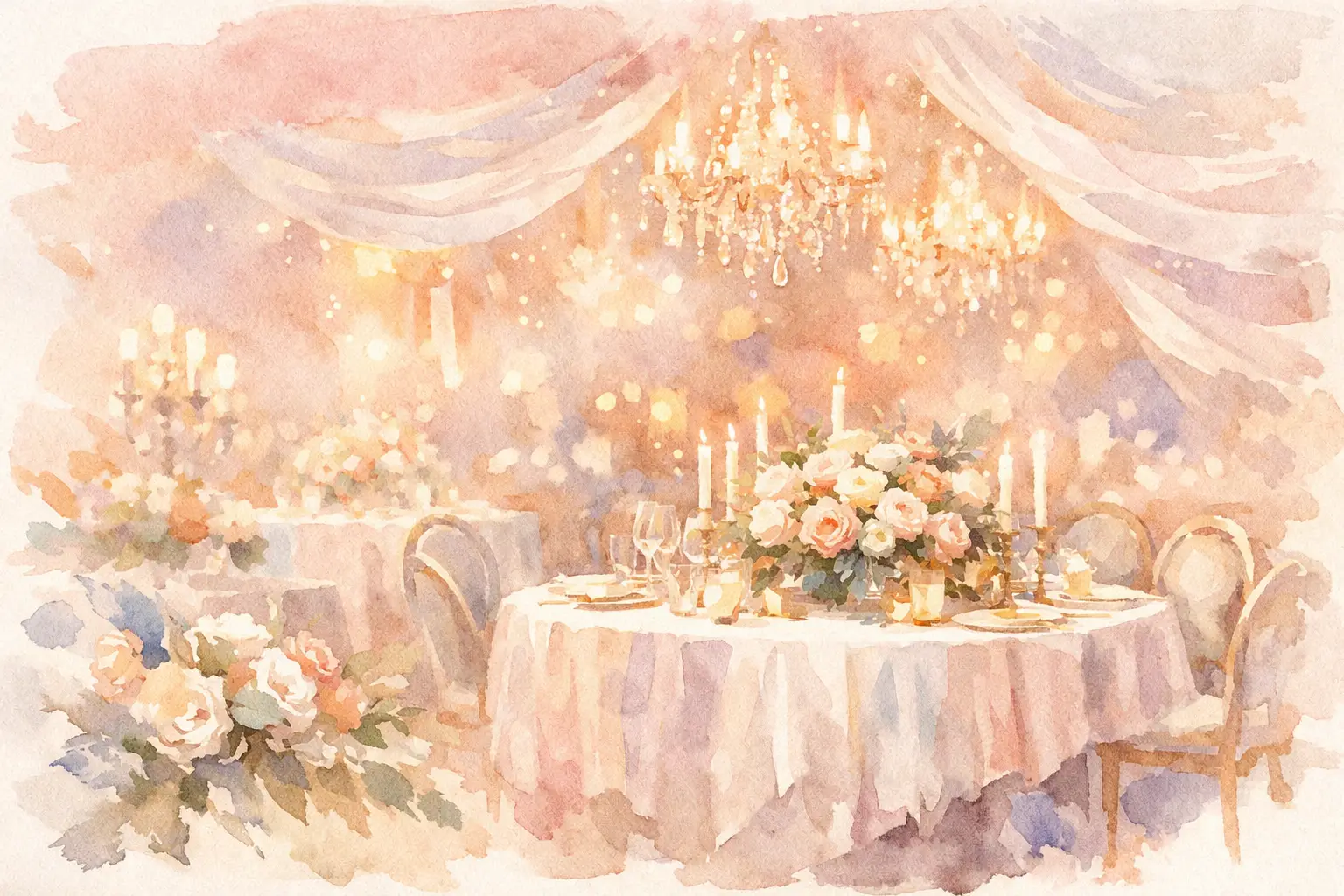
A gala can have an impressive guest list, meaningful purpose, and beautiful venue, yet still feel unfinished if the room has no clear visual story. When considering how to plan a gala, begin with what guests will see and feel when they enter: the welcome moment, the table settings, the stage, and the details that carry the evening from formal to memorable.
For a fundraising dinner, awards celebration, cultural gathering, or anniversary event, décor does more than fill a room. It creates atmosphere, supports the occasion’s purpose, and gives guests a sense that care has gone into every part of the experience. The strongest gala designs are coordinated rather than crowded. They use color, height, lighting, texture, and focal points with intention.
How to Plan a Gala Around a Clear Visual Direction
Before choosing centerpieces or a backdrop, define the feeling the gala should create. “Elegant” is a good starting point, but it is not a complete design direction. Consider whether the room should feel classic and candlelit, modern and sculptural, soft and romantic, richly formal, or lively and celebratory.
A black-tie gala may call for polished metallic accents, crisp linens, elevated floral arrangements, and a refined palette of ivory, black, champagne, or deep jewel tones. A spring charity event might feel lighter with fresh greenery, layered neutrals, and delicate color. A cultural celebration may draw inspiration from meaningful colors, textiles, patterns, or ceremonial elements, handled thoughtfully and in conversation with the hosts.
Choose a concise palette of two or three main colors, then add one supporting neutral or metallic. This keeps the room cohesive from the guest tables to the stage. Too many competing colors can make even beautiful individual pieces feel disconnected.
It also helps to identify one visual element that will guide the rest of the décor. That may be lush flowers, warm candlelight, a dramatic backdrop, clear acrylic details, gold finishes, or a particular fabric texture. A single anchor gives the room a point of view.
Start With the Guest’s First Impression
Guests begin forming an impression before they reach their table. The entrance should offer a clear sense of occasion, especially when the gathering is held in a large ballroom, hotel function room, banquet hall, or community venue that needs visual warmth.
An entry display can be understated or grand, depending on the space and the event. Floral arrangements, pedestal displays, draped elements, welcome signage, or a thoughtfully styled check-in area can introduce the evening’s colors without revealing every design detail at once. The goal is not to decorate every available surface. It is to make arrival feel intentional.
From there, consider the visual path through the room. Where will guests naturally pause? What will they see first from the doorway? Is there a stage, presentation area, auction display, dance floor, or photo moment that needs a stronger presence? These areas often benefit from focused styling because they will appear repeatedly in guest photos and event photography.
A focal display is particularly valuable when the venue has high ceilings, plain walls, or a large open floor plan. It gives the eye somewhere to land and helps the entire room feel connected.
Let the Tables Carry the Design
At most galas, guests spend the largest portion of the evening at their tables. That makes centerpieces and table décor central to the overall atmosphere, not an afterthought.
The right centerpiece depends on the size of the room, table shape, ceiling height, and desired mood. Tall arrangements can add presence in a spacious ballroom and draw attention upward. Low floral designs encourage easy conversation and suit rooms where a softer, more intimate look is preferred. A mixed approach can create rhythm across the room, but it works best when the colors, vessels, and floral style remain consistent.
Think beyond the centerpiece itself. Linen color, chargers, napkins, candleholders, menu cards, table numbers, and small floral accents all contribute to the finished table. Each item does not need to be elaborate. In fact, a few well-chosen layers often feel more elegant than a table crowded with decorative pieces.
Candlelight is one of the simplest ways to make a gala room feel warm and polished. It softens formal spaces and adds depth to table photos. The practical details matter, though. Any candle plan should suit the venue’s policies and leave adequate room for dinner service, table signage, and guest comfort.
Choose Centerpiece Height With Care
Centerpiece height is a design decision and a guest-experience decision. Tall arrangements can be striking, but dense designs placed at eye level can interrupt conversation across the table. Low arrangements are welcoming and easy to live with, but may not create enough impact in a very large room.
The answer is often proportion. A tall centerpiece should have an open, elevated structure that allows guests to see through it. A low centerpiece should have enough texture, candlelight, or surrounding detail to feel intentional rather than small. Consider the venue’s ceiling height and the number of tables before deciding which direction feels right.
Create a Stage That Belongs to the Room
A gala stage is often the visual center of the evening, whether it is used for speeches, recognition, performances, or a presentation. If the stage is left bare while the tables are fully decorated, the room can feel visually divided.
Stage décor does not need to compete with the program. A clean backdrop, framing florals, soft draping, coordinated plinths, or statement arrangements can give the area presence without distracting from speakers or honorees. The best choice depends on how the stage will be used and how much of it will be visible from guest seating.
Color is especially important here. A very dark backdrop may create drama, while lighter layers can brighten a dim room and photograph beautifully. If a logo, event name, or sponsor recognition is part of the backdrop, keep the surrounding styling balanced so those elements remain readable.
For galas with cultural meaning, the stage or main focal area may carry special significance. Rather than relying on generic themes, begin with the family’s or organization’s own vision. Meaningful color palettes, seating areas, florals, fabric, and decorative details can honor the celebration while still feeling cohesive and contemporary.
Use Lighting and Texture to Add Depth
Florals are often the first thing guests notice, but texture is what makes a design feel layered. Glass, gold, clear acrylic, velvet, soft draping, greenery, ceramic vessels, and polished metallics all reflect light differently. Combining a few complementary textures gives a gala more visual depth, especially in venues with neutral walls and standard banquet furnishings.
Lighting changes how every décor element reads. Warm lighting can make ivory flowers look creamy and inviting, while colored uplighting can dramatically shift a neutral palette. Before finalizing flowers, linens, or backdrop colors, consider the room’s existing light and any lighting planned for the evening. A palette that looks perfect in daylight can appear very different in a ballroom after sunset.
The most successful rooms usually have visual variation at several levels: details on the table, centerpieces at guest height, and a stronger feature at the entrance or stage. This layered approach makes the room feel considered from every angle.
Keep the Gala Cohesive, Not Overdecorated
When planning gala décor, it can be tempting to add more to every area. More florals, more colors, more signage, more photo opportunities. But a memorable design needs breathing room. A single well-styled entrance, beautiful tables, and a coordinated focal area often make a greater impact than many unrelated decorative moments.
Prioritize the spaces guests will notice most: arrival, dining tables, the stage or main presentation area, and any designated photo setting. Then repeat colors, floral choices, and finishes across those areas. This repetition is what makes guests feel that the room belongs together.
It is also wise to design for the room you actually have. A smaller gathering may benefit from intimate candlelit tables and one beautiful focal display. A large gala may need taller centerpieces, stronger stage framing, and décor that can be seen across the ballroom. Scale matters as much as style.
Share the Vision Clearly With Your Décor Team
The best décor conversations start with a few useful details: the venue photos or layout, table count and shape, the event’s purpose, desired colors, and any features that need attention. Inspiration images are helpful, but they work best as a way to communicate the feeling you love rather than as a request to copy a single look exactly.
Be clear about what matters most to you. Perhaps it is a welcoming entrance, statement centerpieces, a beautiful stage, or tables that feel especially refined for an awards dinner. Knowing the priorities allows the design to place emphasis where it will be felt most.
For clients in Greater Boston and surrounding Massachusetts communities, Sue’s Elegant Events brings together centerpieces, table styling, backdrops, florals, and focal décor with a close eye for how every visual layer works in the space.
A gala should feel polished long before the first speech begins. Give the room a clear story, let the tables invite guests in, and choose décor that makes the purpose of the evening visible in every thoughtful detail.